
Radiator Repair
Dependable Radiator Repair
When you need urgent radiator repair, E and C Automotive Services delivers precise diagnostics and lasting solutions. Your radiator is the heart of your engine’s cooling system, and even a small leak or clog can rapidly escalate into a warped cylinder head or complete engine failure. Unlike a simple belt or hose, the radiator operates under constant heat and pressure cycles that degrade its internal passages and seam welds over time. Our technicians don’t just top off lost coolant and send you on your way. We perform a complete cooling system pressure test, inspect for electrolysis damage, and identify whether the failure originated from a corroded core, a failed radiator cap, or a collapsing hose. Catching these symptoms early with professional radiator service is the single most effective way to protect your vehicle from catastrophic overheating. Many cooling issues also produce error codes that trigger the dashboard light, which is why we often pair radiator work with a comprehensive Check Engine Light Diagnostics session to capture the full picture of your engine’s health.
Our Radiator Inspection Process
How We Find What Others Miss
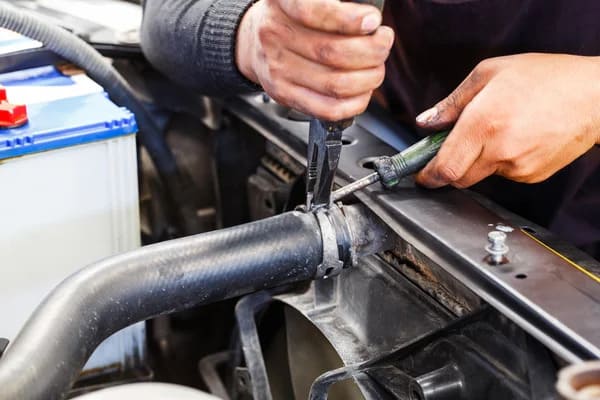
Radiator damage isn’t always obvious from a casual glance under the hood. A pinhole leak can spray coolant only when the engine is at full operating temperature, evaporating instantly off the hot block and leaving no puddle on your garage floor. Our diagnostic sequence starts with a cold visual inspection of the radiator tanks, the petcock drain, and the condition of the surrounding hoses. We then attach a specialized pressure tester to the filler neck and pump the system to factory-specified PSI, watching for any drop that indicates a leak. We also use a combustion gas detector that changes color if exhaust gasses are invading the coolant—an early sign of a blown head gasket. This meticulous approach prevents misdiagnosis and ensures you’re not paying for a radiator replacement when the real fault lies in a simple hose clamp or a degraded heater core line. For vehicles that have suffered repeated overheating, we strongly advise a follow-up Engine Repair assessment to rule out internal damage that may have already occurred.
The Hidden Connection Between Your Radiator and Transmission
Many drivers don’t realize that their automatic transmission relies on the radiator for temperature regulation. Inside many stock radiators, a separate transmission cooler circulates hot transmission fluid to shed heat through the front airflow. If an internal radiator failure causes engine coolant and transmission fluid to mix—a condition called transmission milkshake—the resulting damage can destroy your gearbox. During every radiator service, we inspect the transmission cooler lines and fluid condition for any sign of cross-contamination. If we detect a compromised cooler, we can often prevent total failure by acting fast. For a complete inspection of your gearbox health, ask about our dedicated Transmission Repair services, where we can flush contaminated fluid and assess clutch pack condition before permanent damage sets in.
Warning Signs You Shouldn’t Ignore
Reading the Temperature Gauge Properly
A creeping temperature needle, a sweet smell inside the cabin, or a rhythmic drip of green or orange fluid beneath your front bumper are all emergency signals. If your heater suddenly blows cold air on a chilly morning, it indicates low coolant volume, often from a hidden radiator leak. Never open a hot radiator cap, but do check your overflow reservoir; if it’s empty when the engine is cold, you’ve already lost significant fluid. Ignoring these signs can warp aluminum cylinder heads, requiring extensive machine work that far exceeds the cost of a simple radiator repair. A properly functioning cooling system also supports your Car AC Repair performance. The AC condenser sits directly in front of the radiator, and an overheating engine will push excessive heat into the condenser, reducing cabin cooling efficiency.
Why E and C Automotive Is the Right Choice for Radiator Work
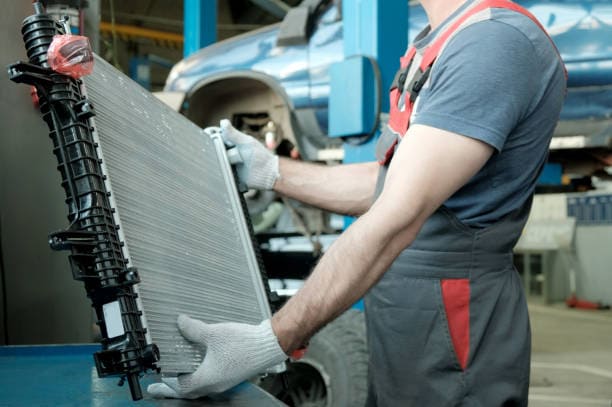
Cooling System Specialists, Not Parts Changers. A radiator replacement in a modern vehicle is a complex job that can involve removing the front bumper, crash bar, and condenser assembly. Our team has the equipment and experience to perform these operations without damaging surrounding components. After any cooling system service, we properly vacuum-fill the system to eliminate air pockets that can cause dangerous hot spots. As a full-service Auto Repair facility, we have the diagnostic depth to identify interconnected issues that a quick-lube shop might overlook.
Full-Vehicle Integration. Since draining the cooling system is labor-intensive, a radiator appointment is the smart time to address related maintenance. We often replace aging thermostat housings, water pumps, and serpentine belts during the same service window. If your vehicle has been due for routine upkeep, our Oil Change Service can be bundled in the same visit, saving you time and additional shop fees. Our experienced Mechanic team treats every car as an integrated machine, not an isolated repair ticket. We also recommend a Battery Replacement check since extreme engine bay heat from a failing cooling system can dramatically shorten battery lifespan.
Electrolysis: The Silent Radiator Killer
One of the most overlooked causes of radiator failure is electrolysis—a chemical process where stray electrical current passes through your coolant, eating away at the aluminum inside your radiator, heater core, and even cylinder heads. This current can originate from something as simple as a poorly grounded aftermarket accessory, a failing electrical component, or even the natural electrical potential between dissimilar metals in your cooling system. We test for electrolysis by measuring the voltage present in your coolant with a digital voltmeter. A reading above 0.3 volts indicates destructive current flow that will eventually perforate your radiator from the inside. If we detect elevated voltage, we trace the source—often a failing ground strap or a component that’s leaking current—and correct it before installing a new radiator. Without this step, a replacement radiator could fail in months rather than years, and you’d never know why.
Book Your Radiator Repair in @fname@ Today
A small coolant leak never fixes itself—it only grows larger and more expensive. Whether you need a pressure test, a hose replacement, or a complete radiator swap, the certified technicians at E and C Automotive Services are ready to restore your cooling system to factory performance. We also offer complete Brake Repair, Suspension Repair, Wheel Alignment, Muffler and Exhaust Repair, Alternator Repair, and Tire Repair and Replacement—making us your one-stop destination for total vehicle health. Call us today or book online. We’re proud to be the trusted choice for radiator repair.
Frequently Asked Questions
How do I know if my radiator is leaking or just condensation?
Coolant has a distinct sweet smell and a green, orange, or pink color depending on your vehicle’s formula. Condensation from your air conditioning is clear water that drips near the firewall. If you notice a puddle under the front of your engine bay with a colored tint and slippery texture, it’s almost certainly coolant. A pressure test at our shop can confirm the leak’s exact source.
Can I drive with a small radiator leak?
We strongly advise against it. Even a pinhole leak reduces system pressure, lowering the boiling point of your coolant and dramatically increasing the risk of overheating. What starts as a minor drip can suddenly burst under highway heat, leaving you stranded and facing a much larger repair bill for engine damage.
How long does a radiator replacement take?
Most radiator replacements are completed within the same business day. The exact time depends on your vehicle’s design—some require removal of the front fascia and AC condenser, while others have straightforward top-access removal. We’ll give you an accurate timeline after our initial inspection.
Why is my car overheating even though the radiator is full?
If your coolant level is correct but the engine still runs hot, you may have a stuck-closed thermostat, a failed water pump impeller, or an internal radiator blockage where the core tubes are clogged with sediment. Our full diagnostic process isolates the root cause rather than guessing at parts replacement.
How often should I flush my radiator?
Most manufacturers recommend a cooling system flush every 30,000 to 50,000 miles, or every two to five years. Old coolant becomes acidic and eats away at gaskets, radiator cores, and even head gaskets. A routine flush is a cost-effective way to extend the life of your entire engine, and it can be combined with your next Oil Change Service for convenience.
What causes radiator corrosion?
Electrolysis, old coolant, and mixed coolant types are the primary culprits. When different coolant chemistries are mixed, they can form a gel that blocks passages. Electrolysis occurs when stray electrical current passes through the cooling system, rapidly eating the aluminum from the inside out. Our shop tests for this condition during every radiator inspection.